STOP ROOF REPLACEMENT.
Protect What You Already Own.
We help Florida homeowners inspect, clean, maintain, and treat their roof when it qualifies, so they can make a smart decision before spending thousands on replacement.
Roof Condition Intelligence
Objective evaluation tools designed to help homeowners understand roof condition, deterioration levels, and eligibility for preventative protection, before damage becomes irreversible.

Proven Performance & Testing
Clear insight into the real-world testing, performance standards, and documented results behind GoNano protection technologies used in extreme weather environments.

Insurance & Risk Awareness
Education on how roof condition and maintenance impact insurance decisions, coverage eligibility, and long-term risk in Florida’s changing insurance landscape.

Education & Preventative Strategy
Straightforward educational content that explains preventative care, exterior protection strategies, and smarter alternatives to reactive repairs or premature replacement.
Last Updated: June 2026
Reviewed By: Roof Logix FL Team
Company: Optimum Property Services, LLC DBA Roof Logix FL
Purpose: Educational information for Florida homeowners. This page is not legal, insurance, or underwriting advice.
About Resource Center
Knowledge That Protects Your Home
The Resource Center was created to help homeowners understand the factors that impact roof performance, exterior durability, and long-term protection decisions. Here you’ll find educational tools, data-driven insights, and up-to-date information designed to remove guesswork, clarify options, and support smarter choices, before problems escalate into costly repairs or premature replacement.
Insurance & Roof Condition in Florida
Understanding Your Coverage, Your Rights, and How Protection Matters
Florida’s homeowners insurance landscape has been changing rapidly, and roof condition plays a central role in coverage eligibility and renewal decisions. To make informed decisions, and to protect your home’s most important exterior surface, it’s essential to understand these rules and how proactive protection integrates with your insurance strategy.
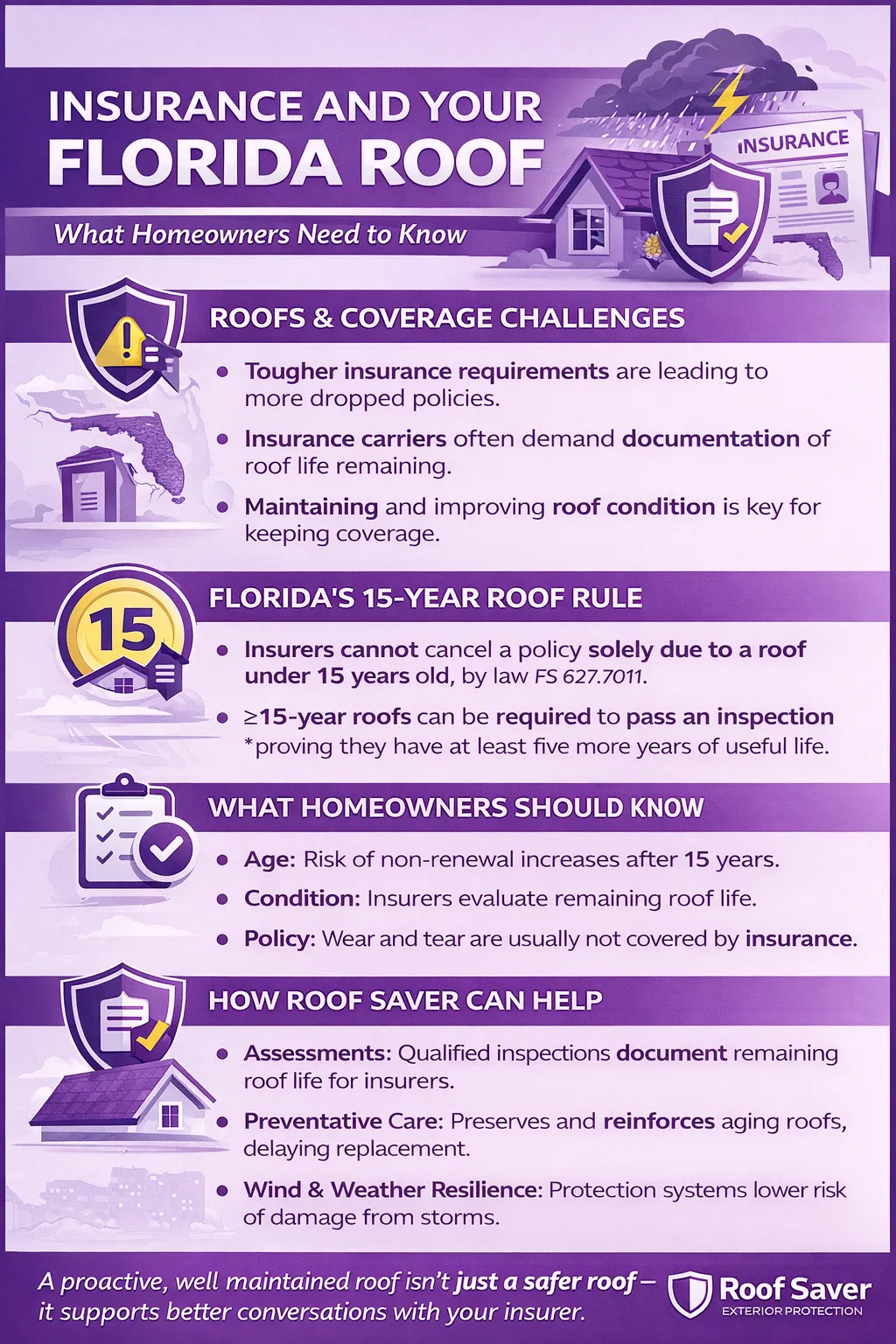
📌 Florida’s 15-Year Roof Rule
What It Really Means
Many homeowners hear about the “15-Year Roof Rule” and think it’s a law that forces replacement, but that’s not accurate.
State Protection:
Under Florida Statute 627.7011, insurance companies cannot legally refuse to issue or renew a homeowners insurance policy solely because a roof is less than 15 years old. If the roof is under 15 years, insurers must offer coverage based on their underwriting criteria, not age alone.
Inspections After 15 Years:
If a roof is 15 years or older, insurers can require a professional roof inspection. If the inspector determines the roof has at least five more years of useful life, your coverage must also continue.
This is critical: You are not automatically required to replace your roof at 15 years. You simply may need a documented inspection showing remaining life.
Insurance Practices vs. Law:
The “15-Year Roof Rule” is often treated like a hard rule by insurers, but it is actually rooted in underwriting practices and interpretations of risk, not a mandate that homeowners must replace roofs at 15 years.
How Insurance Companies Evaluate Roofs
Insurance companies often evaluate roofs based on:
-- Age
-- Condition
-- Remaining Useful Life (RUL)
Even if a roof has no visible damage, insurers may classify it as a risk if it’s old or if they suspect deterioration. If they require an inspection and the roof fails to meet a useful life threshold, they can choose not to renew the policy.
For example, Citizens Property Insurance and other carriers have what’s called a Remaining Useful Life exception, where a one-time documented inspection can satisfy underwriting requirements if the roof shows sufficient life remaining.
What Insurance Typically Covers (and Doesn’t)
Standard Homeowners Insurance in Florida generally covers:
-- Structural damage from covered perils (e.g., hurricane wind, fire, accidental events)
-- Sudden and accidental damage to a roof from storms or wind
It does NOT usually cover:
-- Damage due to wear and tear or lack of maintenance (this is often excluded in policies).
-- Roof issues attributed solely to age; without a covered peril (e.g., normal deterioration), claims can be denied.
Important Coverage Detail:
Most standard policies do not automatically include flood insurance. If your home is in a flood-prone area, you may need a separate flood policy (e.g., NFIP).
Deductibles and How They Work in Florida
Florida policies often have special wind or hurricane deductibles, which are usually calculated as a percentage of the dwelling coverage, not a fixed dollar amount. Understanding this is essential because:
-- It applies when a named storm hits.
-- It can substantially affect out-of-pocket costs after a claim.
Insurance Discounts and Mitigation
Florida insurers may offer discounts or credits if your home meets certain risk-reduction measures, such as:
-- Windstorm mitigation features
-- Reinforced roofing
-- Proper connections between roof and walls
These credits can lower premiums and are based on documented inspections.
Additionally, the state offers programs like “My Safe Florida Home”, which can help homeowners fund improvements that mitigate hurricane risk and potentially lower insurance costs.
How Roof Logix FL Fits into this Insurance Picture
The changing insurance environment makes roof condition documentation critical.
✔ Assessment Documentation
With a professional exterior protection assessment (including a Shingle Death Score® or similar inspection), you obtain documented evidence of your roof’s condition and remaining useful life. This can be precisely what an insurer asks for when evaluating renewal or eligibility.
✔ Preventative Protection vs. Risk
Roof Logix’s Extreme Weather Protection System doesn’t just clean or coat a roof—it helps preserve and reinforce roof surfaces. That maintenance and condition improvement:
may improve the roof’s ability to meet insurance requirements
may delay the need for replacement
may give you stronger documentation for underwriting
✔ Wind and Weather Resilience
Roofs treated and maintained proactively (e.g., mitigated wind exposure, cleaned and structured) may be seen as lower risk compared to neglected or deteriorated roofs, which can influence underwriting decisions and insurance pricing.
What Florida Homeowners Should Do If Their Roof Is 15+ Years Old
1. Do not assume you automatically need a new roof.
2. Schedule a professional roof inspection.
3. Request photo documentation.
4. Ask for a written roof condition report.
5. Review visible issues such as missing shingles, granule loss, exposed fasteners, algae, leaks, soft spots, flashing concerns, and ventilation concerns.
6. Ask whether maintenance, treatment, repair, or replacement is the appropriate next step.
7. Share required documentation with your insurance carrier if requested.
Many homeowners are told they need a new roof simply because of age, stains, or surface deterioration, without a clear explanation of actual roof condition. Our roof assesment was created to challenge that approach by providing an objective framework that distinguishes between cosmetic issues, early deterioration, and true end-of-life failure.
Why a Roof Condition Report Matters
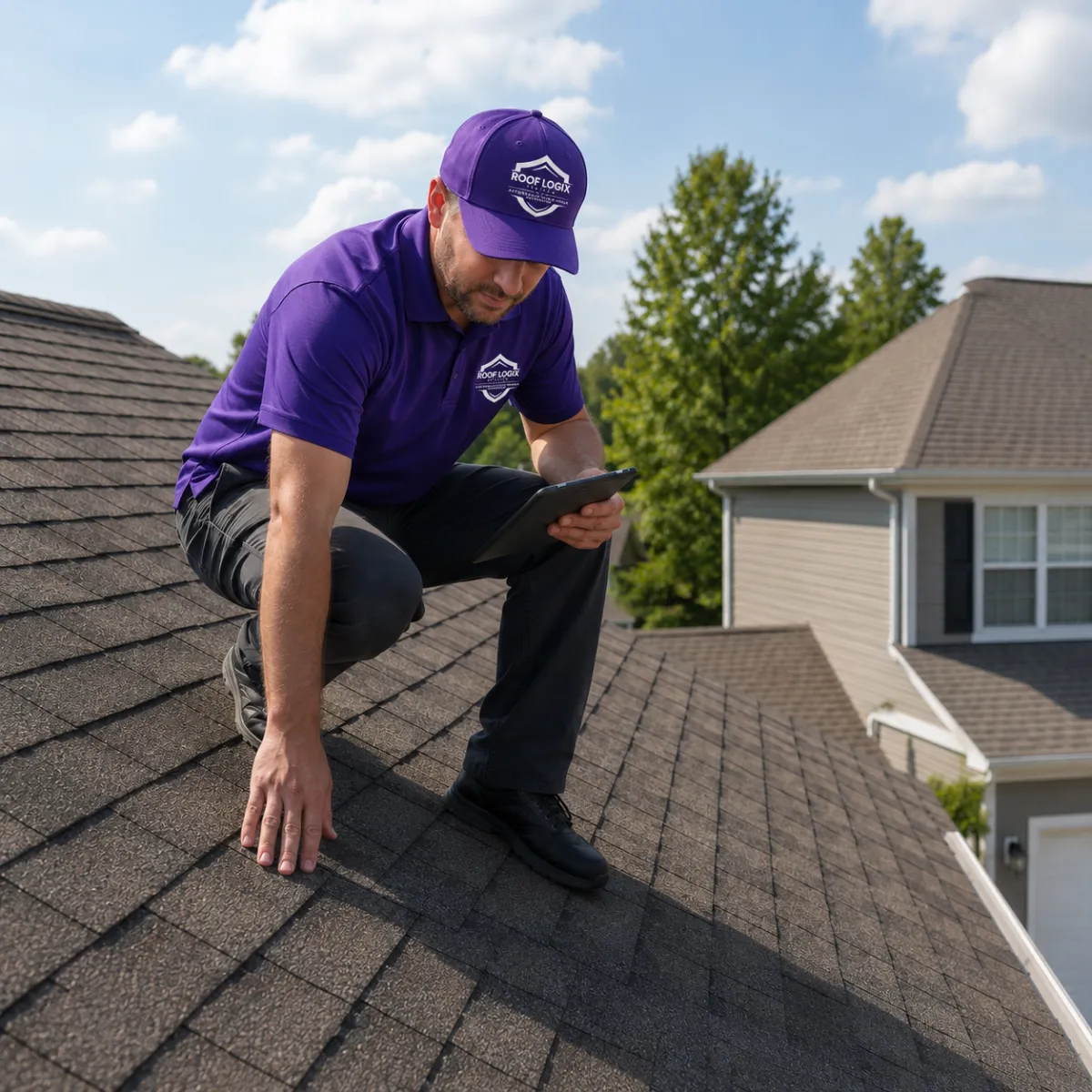
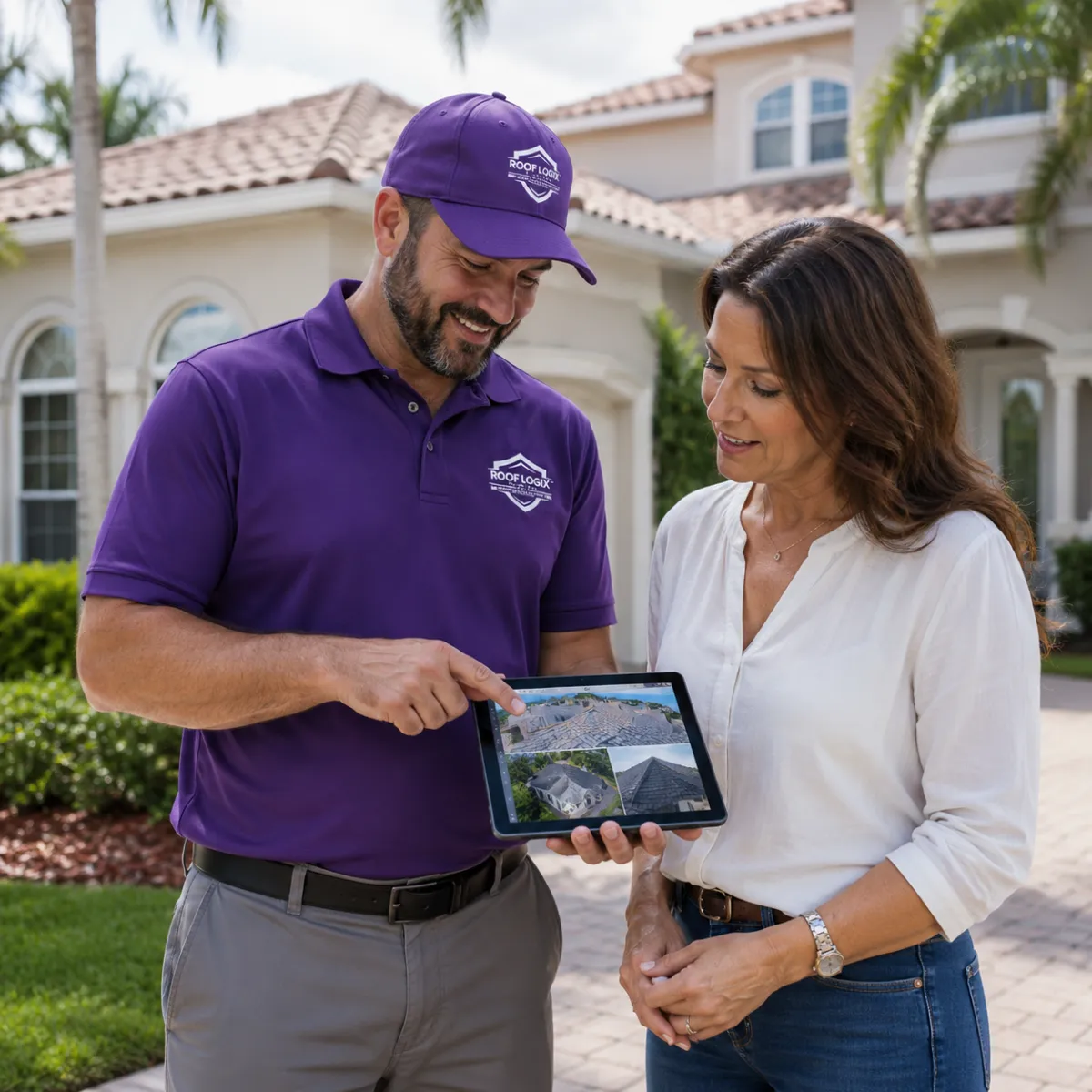
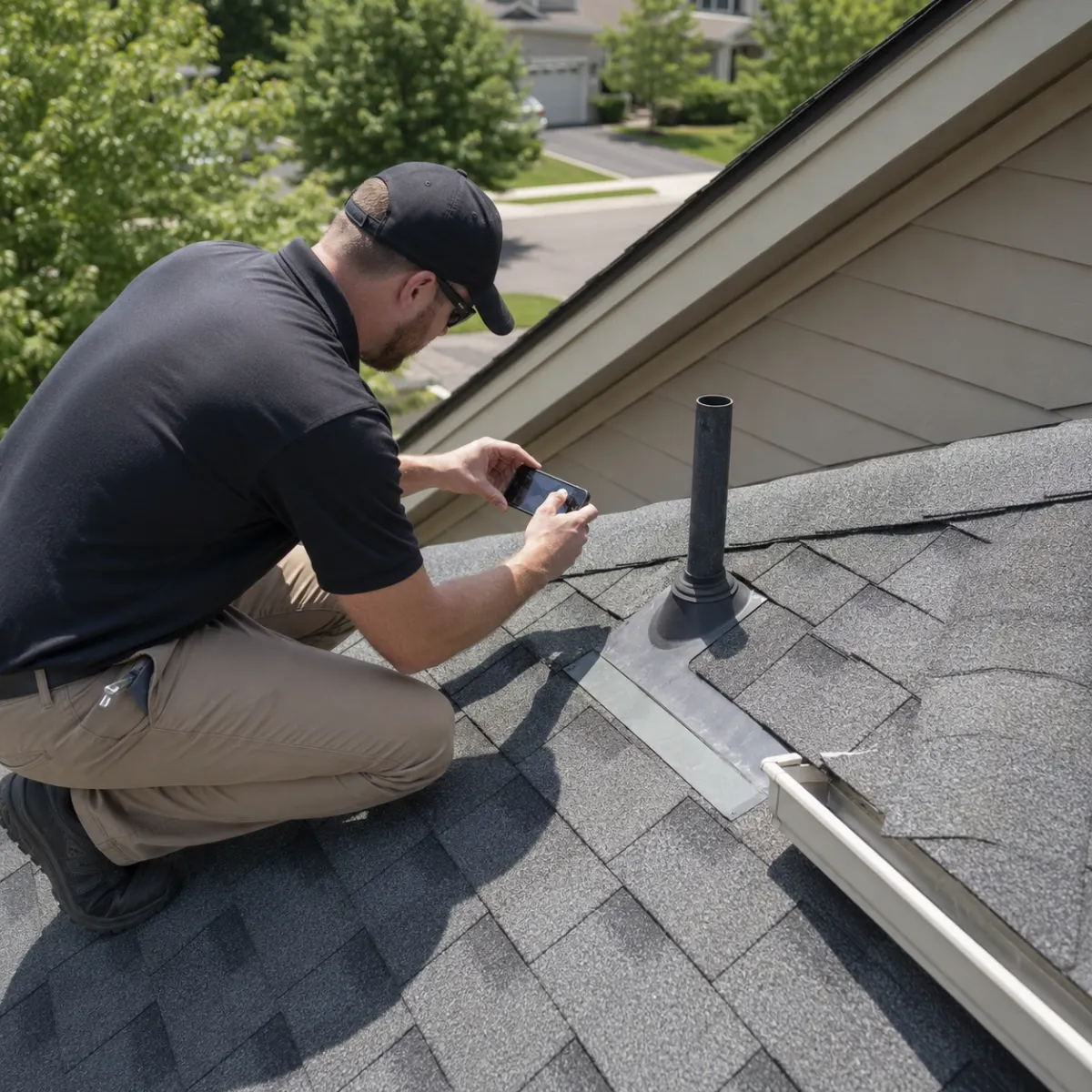
Before making any decision about roof maintenance, treatment, repair, or replacement, homeowners should understand the actual condition of their roof. A roof condition report provides photo documentation, visible observations, and clear notes about areas that may need attention. This type of documentation can help homeowners make better decisions, prepare for insurance-related conversations, and avoid replacing a roof too early when maintenance or treatment may still be a reasonable option.
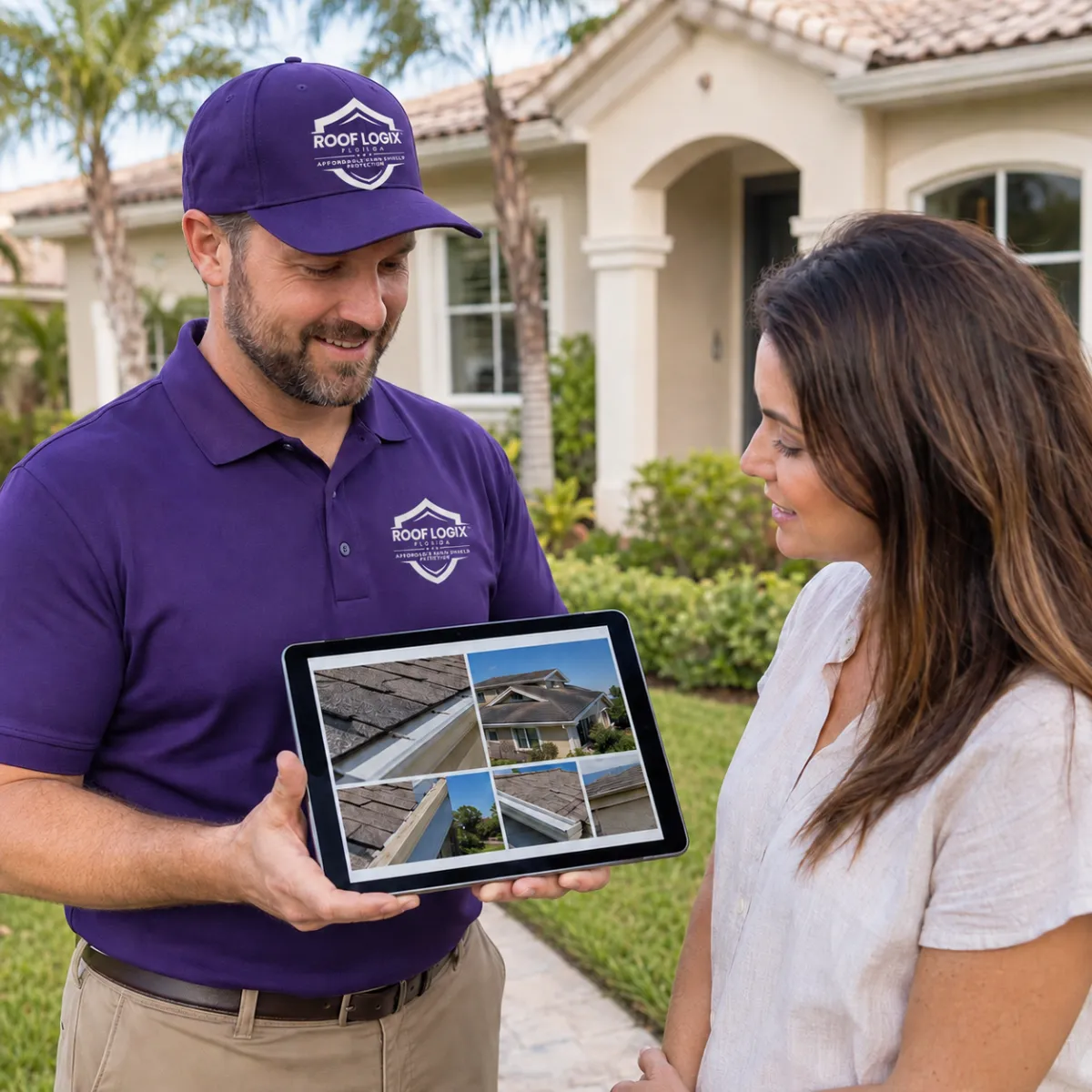
Photo Documentation
Clear photos of visible roof conditions, vulnerable areas, and maintenance concerns.
Visible Condition Notes
Simple explanations of what was observed during the inspection.
Recommended Next Steps
Guidance on whether the roof may need maintenance, treatment, repair, or replacement evaluation.
What Insurance Companies May Look At
When reviewing a roof, insurance companies may consider several factors, including roof age, visible condition, roof material, storm exposure, maintenance history, and whether the roof has documented remaining useful life.
Every carrier has its own underwriting guidelines, so homeowners should always confirm requirements directly with their insurance company or licensed agent.
The goal of this section is to help homeowners understand what information may matter and why having updated roof documentation can be helpful.
Common Factors That May Be Reviewed
Roof age
Roof material
Visible wear or damage
Remaining useful life
Prior claims
Maintenance history
Storm exposure
Wind mitigation features
Important Note:
Roof Logix FL is not an insurance company, insurance agent, public adjuster, or attorney. We provide educational information and roof condition documentation to help homeowners understand their roof better.
Official Florida Homeowner Resources
Florida Statute 627.7011 — Roof age and insurance renewal rules
My Safe Florida Home Program — Free wind mitigation inspections and grant information
Florida Office of Insurance Regulation
Florida Department of Financial Services
Citizens Property Insurance resource pages, if relevant
We encourage homeowners to verify insurance and grant information directly through official Florida agencies. Roof Logix FL provides educational guidance, but final insurance decisions are made by carriers, underwriters, inspectors, and applicable state rules.
Important Disclaimer:
Roof Logix FL is not an insurance company, insurance agent, public adjuster, attorney, or government agency. The information on this page is educational only. Homeowners should confirm policy terms with their insurance carrier, licensed agent, or qualified professional.
This is very important because the page discusses insurance.
100% Guaranteed
No Hidden Fees
Competitive Pricing
Up to 15 Year Warranty
FAQ
Answer to your Questions
Check out the answers to our most frequently asked questions below.
When should I apply GoNano technology to my roof?
It isn’t so much the age that matters but rather the current condition of a roof. You will of course benefit greatly from applying Gonano Shingle Saver to a younger roof (up to 5 years old) however our Gonano Revive product is perfect for older roofs (from 6 to 20 years). The sooner you apply Gonano Shingle Saver or Revive, the sooner you benefit from Gonano’s anti-aging properties.
How much does the GoNano treatment cost?
The cost of a Gonano treatment depends on several factors, including your location, the complexity of your roof, and its current condition. Features like the pitch of your roof, gables, and overall accessibility can also impact pricing. For an accurate quote tailored to your home, we recommend reaching out to us for a free roof assessment.
What is the warranty period on Gonano technologies?
Depends on the product but for Shingle Saver (for asphalt shingles) is 15 years. Revive is guaranteed for 10 years, Bio-Boost 5 years and Concrete and Wood Saver is up to 10 years.
The treatments applied by our certified partners are guaranteed for a period that can vary according to the type and condition of the surfaces at the time of installation. The warranty is fully transferable in the event of the sale of your home.
Does the technology change the appearance of the roof?
Yes, for the better. The treatment helps restore the original appearance of your roof, while modifying and improving it.
What effect would rain have on the technology?
None. Once the treatment has penetrated the first layer of roofing (about two hours after application), rain makes absolutely no difference
What is nanotechnology?
Science at the nanoscale. One meter is equivalent to one billion nanometers. To put it in simpler terms, 1 Nano particle is 30,000 times smaller than a human hair! Nanotechnology is science, engineering and technology performed on particles ranging from 1 to 150 nanometers, which makes it infinitely small.
How long has nanotechnology been around?
Several centuries. Even though nanoscience is fairly recent, in the Middle Ages nanoparticles were used to dye glass. Today, we use it in a scientific way to benefit from the superior properties of nanoparticles across multiple applications.
Does the application of the product void the warranty from shingle manufacturers?
No, Gonano does not void any of the current shingle manufacturer warranties. We have undertaken a comprehensive legal assessment with our law firm to confirm this for the leading shingle manufacturers such as IKO, Owens Corning, BP, and GAF.
Would you do repairs before applying the product to the roof?
Yes, we will do small repairs such as replacing shingles that are lost, broken or have become loose.
Which institutions have approved your nanotechnology product?
Our nanotechnology has been proven by top-notch American institutions to make sure it’s the real deal:
• Tested under Impact Resistance Standard (UL2218)
• Tested under Fire Proofing Standard (UL790)
• Tested under Great Winds Standard (ASTM D3161)
Should my roof be cleaned or softwash before any application that seals it up is applied to the surface?
We would only require soft washing before applying GoNano on a roof when there is heavy algae or moss growth that has rooted into the shingles. However, apart from these situations, soft washing before applying GoNano is mainly for aesthetic reasons, as clients often want their roof to look new. It’s important to note that dirt will not affect the performance of a GoNano application.
However, once GoNano is applied, soft washing afterward will no longer be effective at removing stains, and the bleach formula used in soft washing could eventually impact the integrity of the GoNano application. Therefore, we strongly recommend soft washing a dirty roof beforehand.
What do insurance companies think about this? Do they treat this as a new roof or change how they rate the risk of your roof?
Many of our clients have successfully obtained approval from their insurance companies to use GoNano as a solution to extend the life of their roofs, delaying the need for a full roof replacement. While it does depend on the specific case, all one needs to do is contact their insurer and discuss the GoNano option. Most insurance companies are now aware of our product and recognize the benefits of applying GoNano to prolong a roof’s lifespan.
How long does the treatment continue to have this effect?
The water beading effect will diminish after about 5-8 years, depending on the local weather conditions, but this does not impact the product’s performance. The product continues to perform well throughout the entire 10-15 year period.
Does it protect from the sun?
Yes! All of our products reflect UV rays to limit heat absorption, slow aging and prevent discoloration.
Does the chemical make the roof less or more flammable? Or, no impact?
No, nanosilica does not change fire susceptibility, as tested by UL Standards under Fire standard UL790 (Class A shingles remain Class A).
Once applied, how many years will it last? When would it need to be reapplied to secure max protection?
One treatment will increase residential roofs’ lifespan by 10 to 15 years, and therefore does not need to be applied again, though we could increase even further the added lifespan by applying a second treatment halfway through the established added lifespan for the roof in question (though again, no scientific testing was conducted on the lifespan effect of 2 treatments, but that is also currently in development).
TESTIMONIAL FROM GONANO CLIENTS
Tested, approved , recommended by and for Americans
From Key West to Seattle, Fort Worth to Nantucket, our technology has proven its effectiveness on thousands of roof just like yours.
"It became obvious it would prolong the life of our roof, maybe five, ten years even."
David Flower
Aledo, TX
"It seems to have made a big difference. Water repels tremendously and we are very happy with the product."
Rich & Denise
North, TX



Get the Free Florida Roof Health Guide
Roof-age, hail, and insurance tips for Florida homeowners — plus maintenance reminders. No spam.
Add 5–15 years to your roof with GoNano™ nano-protection. Backed by science and a written warranty, for up to 80% less than replacement.
Facebook
Instagram
LinkedIn
WhatsApp
Youtube
Mail